The manifesto
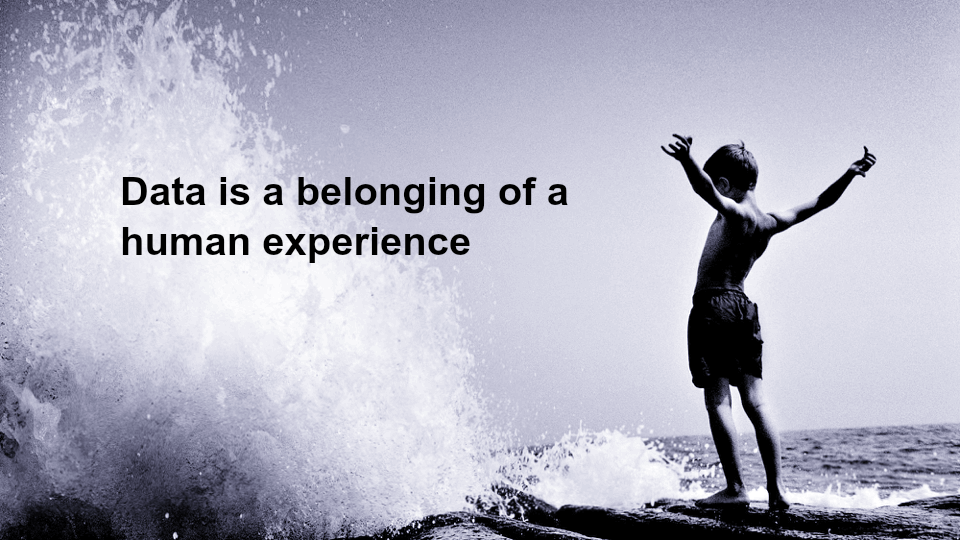
Data is a belonging of a human experience.
An answer should carry the source it came from, so a person can understand information in their own circumstances and knowledge can emerge.
Seven principles for managing knowledge.
Dave Snowden set these out for Cynefin, extending three rules of knowledge management to seven principles in October 2008. They are how Bast works with knowledge.
-
Knowledge can only be volunteered; it cannot be conscripted.
A person chooses to share what they know. A document handed over can be checked. Whether the experience behind it came along cannot.
-
We only know what we know when we need to know it.
Knowledge returns when a situation calls for it. A clue or a real need brings back what a stored list cannot.
-
We always know more than we can say, and we will always say more than we can write down.
Experience becomes speech, and speech becomes writing. Content and context drop at each step.
-
In the context of real need few people will withhold their knowledge.
A genuine request for help is met. Asking people to write down everything they know before anyone needs it does not work. Connecting people matters more than storing their documents.
-
Everything is fragmented.
People work with fine-grained pieces of knowledge in conversation. Long structured documents take more effort than those pieces.
-
Tolerated failure imprints learning better than success.
A failure a person is allowed to learn from stays with them. Copying a success does not teach the same lesson.
-
The way we know things is not the way we report we know things.
People decide by pattern, past experience, and heuristics. Asked afterward, they describe a tidier process than the one they used.
Read Dave Snowden’s Principles for managing knowledge and Rendering Knowledge.
Principles from nature.
Janine M. Benyus described how living systems endure: learn from nature as model, measure, and mentor. Bast uses those patterns in decisions about compute, architecture, data, and the relationship between people and machines.
How Bast got here.
Years of paid research and development with clients: researching, building, deploying, and iterating. Commercialization is underway.
-
Bast AI is incorporated.
-
Client pilots and the infrastructure build.
Client pilots ran alongside the infrastructure build.
-
Developer tools and production client work.
Developer tools were commercialized: 70+ Python packages, 15+ APIs, and 19 pipelines. Client work in production included Lurie Cancer Center, Medic Copilot, and Maryville University. At Maryville, nursing attrition was down 12%, and $1.2M was saved.
-
The platform is commercialized.
Craig Hospital piloted the Bast AI platform. That pilot is where Bast learned to use ontologies as lenses on Craig's data, with the patients, administrators, and nurses who took part. BastCare did not exist then. The platform was commercialized with an admin UI and a chat release. Bast has 5 patents.
-
BastCare alpha released.
-
Evidence library.
The public evidence library opened, with sources and caveats beside the findings.
-
BastCare pilots for care teams.
BastCare pilots launched for care teams.
What to do next.
BastCare is free to download.